

Continuing Professional Development (CPD): Participation in Peer Group Activities: Two CPD Points
Published January 31, 2026
J Diagn Treat Oral Maxillofac Pathol 2026; 10: 100314.
DOI: https://doi.org/10.23999/j.dtomp.2026.1.100314
Under a Creative Commons license (CC BY-NC-SA 4.0)
HOW TO CITE THIS ARTICLE
Tymofieiev OO, Fesenko II, Melikova K, Fil V. Continuing professional development (CPD): Participation in peer group activities: Two CPD points. J Diagn Treat Oral Maxillofac Pathol. 2026 Jan;10(1):100314. https://doi.org/10.23999/j.dtomp.2026.1.100314

INSTITUTIONAL REPOSITORY
https://ir.kmu.edu.ua/handle/123456789/890
ABSTRACT
This article is a continuation of the series of publications on the continuing professional development (CPD) of dentists, oral surgeons, and maxillofacial surgeons, updated according to the Order of the Ministry of Healthcare of Ukraine of April 16, 2025, No. 650 “On approval of the Procedure for conducting certification of healthcare workers and amending certain orders of the Ministry of Healthcare of Ukraine.” The purpose of this article is to translate the Order of the Ministry of Healthcare of Ukraine of May 08, 2025, No. 781 “On approval of the Regulation on peer groups,” the understanding of which is necessary for understanding, organizing and conducting such a CPD event as participation in peer group activity, for which two CPD points are awarded. In general, peer group event is training on the principle of “peer to peer,” which involves the participation of healthcare workers who are equal in position, to increase the level of professional competence by discussing issues of their own professional activities/experience and the professional activities/experience of other healthcare workers. Considering the unique features of peer groups, we consider it appropriate to recommend that a wide range of dentists use this type of CPD.
KEY WORDS
Continuing professional development (CPD); CPD points; healthcare worker, dentists; peer group; peer group participant; peer group facilitator
1. INTRODUCTION
Continuing professional development (CPD) of healthcare workers has been actively developing in Ukraine since 2019 [1]. Numerous criteria for awarding CPD points have been developed [2, 3]. New Ministry of Healthcare of Ukraine orders in 2025 continue further improvements to the CPD [4-6]. According to new orders an important criterion is participation in peer group activities, for which 2 CPD points are awarded [4, 5]. So, the purpose of this article is to translate and analize the Order of the Ministry of Healthcare of Ukraine of May 08, 2025, No. 781 “On approval of the Regulation on peer groups.”
2. ORDERS OF THE MINISTRY
Below will be listed the current Orders.
2.1 Legislation
Valid
-
Order of the Ministry of Healthcare of Ukraine of April 16, 2025, No. 650 “On approval of the Procedure for conducting certification of healthcare workers and amending certain orders of the Ministry of Healthcare of Ukraine” [4].
-
Order of the Ministry of Healthcare of Ukraine of May 08, 2025, No. 781 “On approval of the Regulation on peer groups” [5] (Figs 1 and 2).
Regulations on Peer Groups
I. GENERAL PROVISIONS
1. These Regulations define the basic principles of the creation and functioning of peer groups, the organization and conduct of peer group events as a type of informal education for the CPD of healthcare workers.
2. In these Regulations, the terms are used in the following meaning:
-
peer group event - training on the principle of “peer to peer,” which involves the participation of healthcare workers who are equal in position, in order to increase the level of professional competence by discussing issues of their own professional activities/experience and the professional activities/experience of other healthcare workers.
-
peer group participants (hereinafter - participants) - healthcare workers who are equal in position and participate in a peer group event.
-
peer group facilitator (hereinafter - facilitator) - healthcare worker who organizes and conducts a peer group event.
Other terms in this Regulation are used in the meanings given in the Laws of Ukraine “Fundamentals of the Legislation of Ukraine on Healthcare,” “On the Protection of Personal Data,” the Regulation on the System of Continuing Professional Development of Healthcare Workers, approved by the Resolution of the Cabinet of Ministers of Ukraine dated July 14, 2021 No. 725 (hereinafter referred to as the Regulation).
3. A peer group is created by an individual entrepreneur or by order of the head of a healthcare institution (hereinafter referred to as a business entity).
-
The order on the creation of a peer group indicates the date from which the peer group is created, the positions/professions and specialties of employees for whom the peer group is created, the last name, first name, patronymic (if any) of the facilitator, the premises in which peer group events are held, other organizational and administrative provisions necessary to ensure the work of the peer group.
4. The operation of several peer groups on the basis of one business entity is allowed, in particular for healthcare workers of different positions/professions and specialties.
5. Information about peer groups is public, posted on the official website of the business entity and contains information about:
1) positions/professions and specialties of healthcare workers participating in peer group activities.
2) contact information of the business entity (phone number, e-mail address).
3) other information about the possibility of participating in peer group activities.
6. A healthcare worker has the right to be a participant in peer group activities that operate on the basis of the business entity that is his place of employment, or another business entity if there are vacancies, which is determined by the facilitator.
II. PRINCIPLES OF FUNCTIONING AND TASKS OF PEER GROUPS
1. The tasks of a peer group are:
1) improving the clinical, professional, communication and leadership competencies of healthcare workers.
2) analysis by healthcare workers of gaps in their own knowledge and skills, identification of personal learning needs by discussing with colleagues their own professional practice, mistakes made during it and ways to eliminate them.
3) studying current issues of providing rehabilitation care, medical and pharmaceutical activities that meet the needs of healthcare workers, at a convenient time and in a designated place using interactive methods of mastering knowledge and skills.
4) formation of trusting professional relationships between healthcare workers, in which initiatives for their own professional development, exchange of feedback, opinions and experiences, a culture of learning and mutual support are encouraged.
5) developing skills of empathic and effective communication, leadership, teamwork, practical skills stipulated by the qualification requirements (professional standards) for the professions of healthcare workers.
6) exchange of experience on the use of medicines, medical devices, rehabilitation aids when providing medical/rehabilitation care, provided that there is no reference, including indirect, to the name of the medicine of a specific manufacturer/supplier, medical devices and rehabilitation aids of specific manufacturers/suppliers.
2. The following are not peer group events:
1) a meeting of healthcare workers on organizational issues, a meeting held by the head/management of a business entity, heads of its structural divisions, a representative, including the head of the body managing the healthcare institution, a board, a meeting, a constituent meeting, an operational meeting with employees.
2) a meeting of the peer group participants with the participation, including as external speakers, of manufacturers/their representatives of medicinal products, medical devices, rehabilitation aids or persons (natural/legal) authorized to supply them.
3. When discussing clinical situations, the participants ensure compliance with the principles of confidentiality and protection of personal data, which involves avoiding the use of any information that can identify the patient.
4. Information obtained during the discussion of the peer group participants’ own professional practice, mistakes made by them, is confidential.
III. COMPOSITION OF PEER GROUPS
-
Peer groups operate taking into account equality of positions/relatedness of specialties, which provides for separate peer groups for doctors and separate ones for nurses (brothers) and other professions of healthcare workers (including heads of healthcare institutions).
-
Healthcare workers are notified of the start of the peer group and the opportunity to participate in its activities by disseminating information in accordance with paragraph 5 of Section I of these Regulations, as well as during working meetings at the business entity, pages on social networks and places for announcements for employees at business entities and/or in any other available way.
-
Healthcare professionals who wish to participate in peer group events shall notify the facilitator and may propose topics on current issues of rehabilitation care, medical and pharmaceutical activities, clinical/professional situations that they would like to discuss at peer group events.
The facilitator has the right to refuse a healthcare professional participation in a peer group event if there are no available places.
-
The maximum number of participants in the group should not exceed 25 people.
-
One of the participants in the peer group event prepares and presents a clinical/professional situation or topic and is the speaker. An external speaker who is not a member of the peer group may be invited to present the topic or clinical/professional situation.
IV. PEER GROUP FACILITATOR
-
A mandatory condition for the functioning of a peer group is the involvement in the organization and conduct of its events of a facilitator whose position/specialty corresponds to the positions/specialties of the peer group participants.
-
The facilitator may be an employee of the business entity on the basis of which the peer group operates, or a healthcare worker who is not an employee of such a business entity and is involved by this business entity on the basis of a contract concluded in accordance with acts of civil law.
-
Requirements for the facilitator:
1) familiar with interactive facilitation techniques used during peer group events.
2) a CPD event of informal education (training or professional [thematic] school) was held, which was organized and conducted in compliance with the requirements of the Regulations on the organization and conduct, structure of peer group events, and features of interaction between its participants.
Participation in such an event is confirmed by a facilitator certificate issued by the provider of this event and information about which is entered into the electronic system for ensuring continuous professional development of healthcare workers in accordance with the Procedure for the functioning of the electronic system for ensuring continuous professional development of healthcare workers, approved by the order of the Ministry of Healthcare of Ukraine dated February 20, 2024 No. 281, registered with the Ministry of Justice of Ukraine on March 13, 2024 under No. 368/41713.
-
The main tasks of the facilitator are:
1) inviting healthcare workers to participate in peer group events.
2) planning, organizing and conducting peer group events.
3) drawing up a plan for conducting peer group events, taking into account the wishes of the participants, in the form in accordance with Appendix 1 to these Regulations.
4) monitoring the compliance of educational materials used during peer group events with the principles of evidence-based medicine/rehabilitation.
5) participating in the discussion of the event topic.
6) coordinating the work of the peer group.
7) entering information about the participation of healthcare workers in the peer group event in the information about the conduct of the peer group event in the form in accordance with Appendix 2 to these Regulations.
8) informing the head of the business entity about the need to issue a certificate of a participant in the peer group event in the form in accordance with Appendix 3 to these Regulations and a certificate about conducting peer group events by a facilitator in accordance with Appendix 4 to these Regulations.
9) making entries about participation in peer group events in the peer group event participant certificate in the form according to Appendix 3 to these Regulations and the certificate about conducting peer group events by the facilitator in accordance with Appendix 4 to these Regulations.
V. PLANNING AND CONDUCTING PEER GROUP EVENTS
1. Peer group events are held in accordance with the event plan in accordance with Appendix 1 to these Regulations, which is agreed upon by the facilitator with authorized persons of the business entity in accordance with the procedures established by this business entity.
The facilitator notifies participants of changes in the event plan within 5 calendar days from the date of their occurrence.
2. Participation in a peer group event is possible in person or remotely using electronic technologies in real time.
3. Peer group events are held on a regular basis, but not less than six times a year. In the case of conducting peer group events remotely, each participant is provided with the opportunity to hear and/or see the discussion, ask their questions and provide answers to other participants. In the case of conducting a peer group event remotely, the facilitator makes a video recording of the event, which is stored for one year from the date of its holding.
4. The duration of the peer group event is at least 2 hours.
5. In the event that the event is held during working hours, the participants of the peer group agree on their participation in the event in accordance with the established rules of the internal labor regulations of the relevant employer.
6. The participation of healthcare workers in the peer group event is recorded in the information on the peer group event in the form in accordance with Appendix 2 to these Regulations.
VI. DOCUMENTS ON PARTICIPATION IN PEER GROUP EVENTS
-
The business entity shall, within 14 calendar days from the date of the peer group event, issue:
-
a certificate to the participant of the peer group event in the form in accordance with Appendix 3 to these Regulations.
-
a certificate on the conduct of peer group events by the facilitator in accordance with Appendix 4 to these Regulations.
VII. MATERIAL, TECHNICAL AND FINANCIAL SUPPORT FOR PEER GROUP EVENTS
1. The business entity on the basis of which the peer group operates provides the necessary organizational and material and technical conditions for its work, including providing premises for holding peer group events and ensuring the issuance of certificates for participants in peer group events in accordance with these Regulations.
2. Peer group events are held at the premises of the business entity, another location (conference room, hall for holding meetings, trainings, meetings) or remotely using electronic communication in real time.
3. It is prohibited to attract and use funds from manufacturers/their representatives of medicines, medical devices, rehabilitation aids or persons (individuals/legal entities) authorized to supply them to finance peer group events (including rental of technical equipment for presentations [if necessary], stationery, printed materials).
4. Financing of the participation of healthcare workers in peer group events is carried out in accordance with the requirements of the Regulation on the system of CPD of healthcare workers, approved by Resolution of the Cabinet of Ministers of Ukraine dated July 14, 2021, No. 725.
The certificates shall indicate the events that were directly attended by a healthcare worker and conducted by the facilitator in accordance with the information on the conduct of the event in accordance with Appendix 2 to these Regulations.
5. Information on the conduct of the peer group event shall be stored by the business entity for 5 years from the date of the event.
3. DISCUSSION
Peer groups originated in the Netherlands in 1979. Later, in the 1980s and 1990s, this format spread to other European countries and became an important method of improving the quality of primary care [7, 8].
Beyer et al. (2003) stated that in the last decades, substantial development of quality circles/peer review groups has taken place in the United Kingdom, Switzerland and numerous EU states (Austria, Belgium, Denmark, Germany, Ireland, Norway, The Netherlands, and Sweden) [7].
François et al. (2013) claim that peer group activity was growing in Isere department (France, European Union) [9]. It was widely welcomed by general practitioners, who wondered in which way those groups could satisfy the obligations of professional development mentioned in the 2009 French law: Hospital, Patient, Health, Territory (HPST) [8].
The importance of the Order of the Ministry of Healthcare of Ukraine on peer groups in the process of Ukraine’s integration into the European Union is confirmed by the fact that control over the implementation of this Order is entrusted to the Deputy Minister of Healthcare of Ukraine for European Integration [5]. Peer group events can be organized for specialists in all eight dental specialties [2]. In total, the highlighted above Regulation on Peer Groups includes 7 sections and is presented in a concise and convenient form on four A4 pages [5].
According Criteria for awarding CPD points according the Appendix 6 to the Procedure for Conducting Certification of Healthcare Workers for participation in peer group events, 2 CPD points are awarded if the certificate is available [6]. This is a small number of points for this type of informal education compared to, for example, 100 points for obtaining an educational and scientific level of higher education [6], however, this type of activity can provide invaluable experience in communicating with colleagues and discussing important cases or protocols.
We already have experience participating in a peer group activity and, for clarity, we are attaching a certificate received in 2025 with the facilitator’s signature (Fig 3). Moreover, a free application for managing the CPD educational portfolio has already been developed (Fig 4) [10].
In sum, peer groups are a modern format for CPD for doctors. This is a space where there is no hierarchy, no lecturer - only equal dialogue between doctors, support, and mutual enrichment [11].
3. CONCLUSION
Considering the unique features of peer groups, we consider it appropriate to recommend that a wide range of dentists use this type of professional development.
CONFLICT OF INTEREST
The authors declare that the research was conducted in the absence of any commercial or financial relationships that could be construed as a potential conflict of interest.
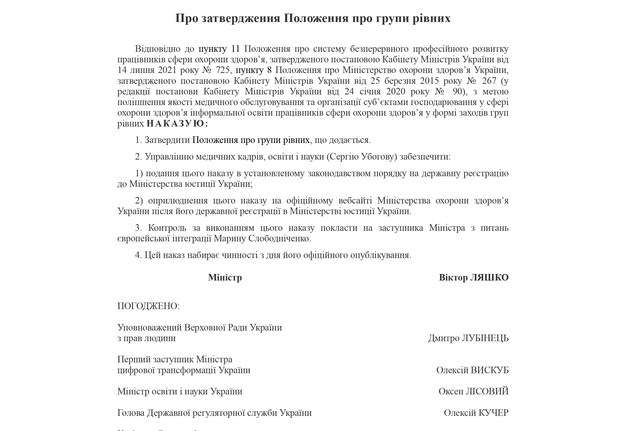
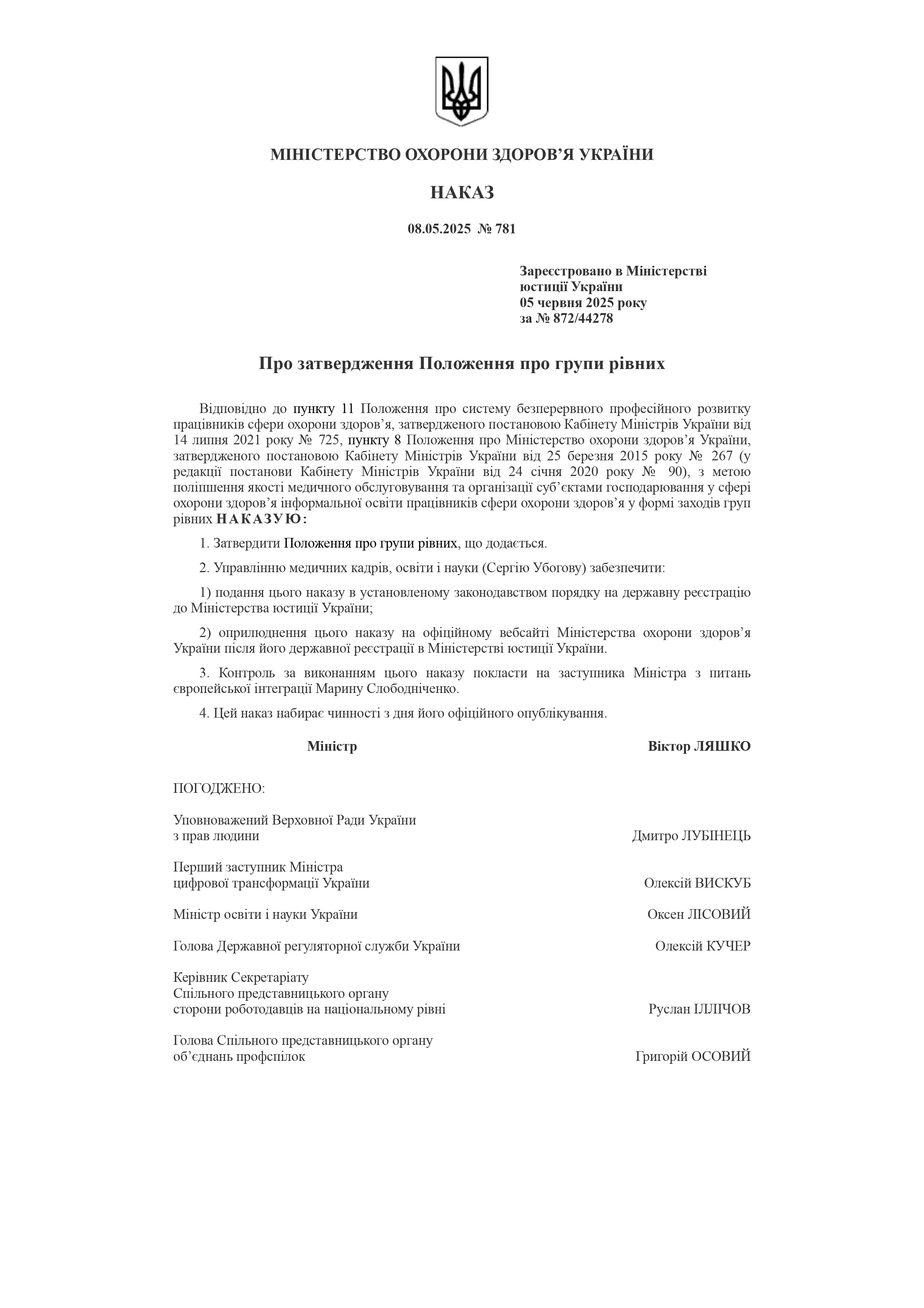
FIGURE 1. Order of the Ministry of Healthcare of Ukraine of May 08, 2025, No. 781 “On Approval of the Regulations on Peer Groups” [5].
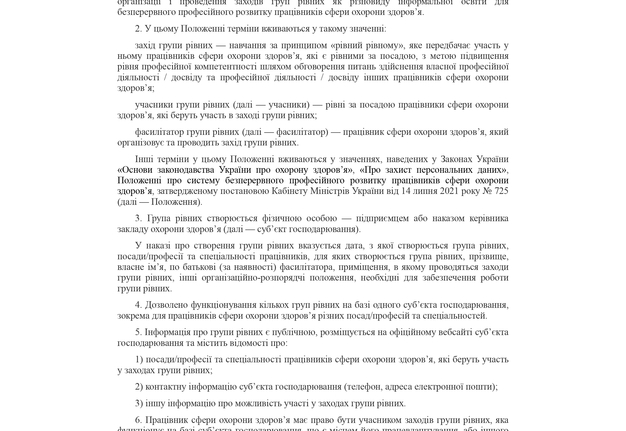
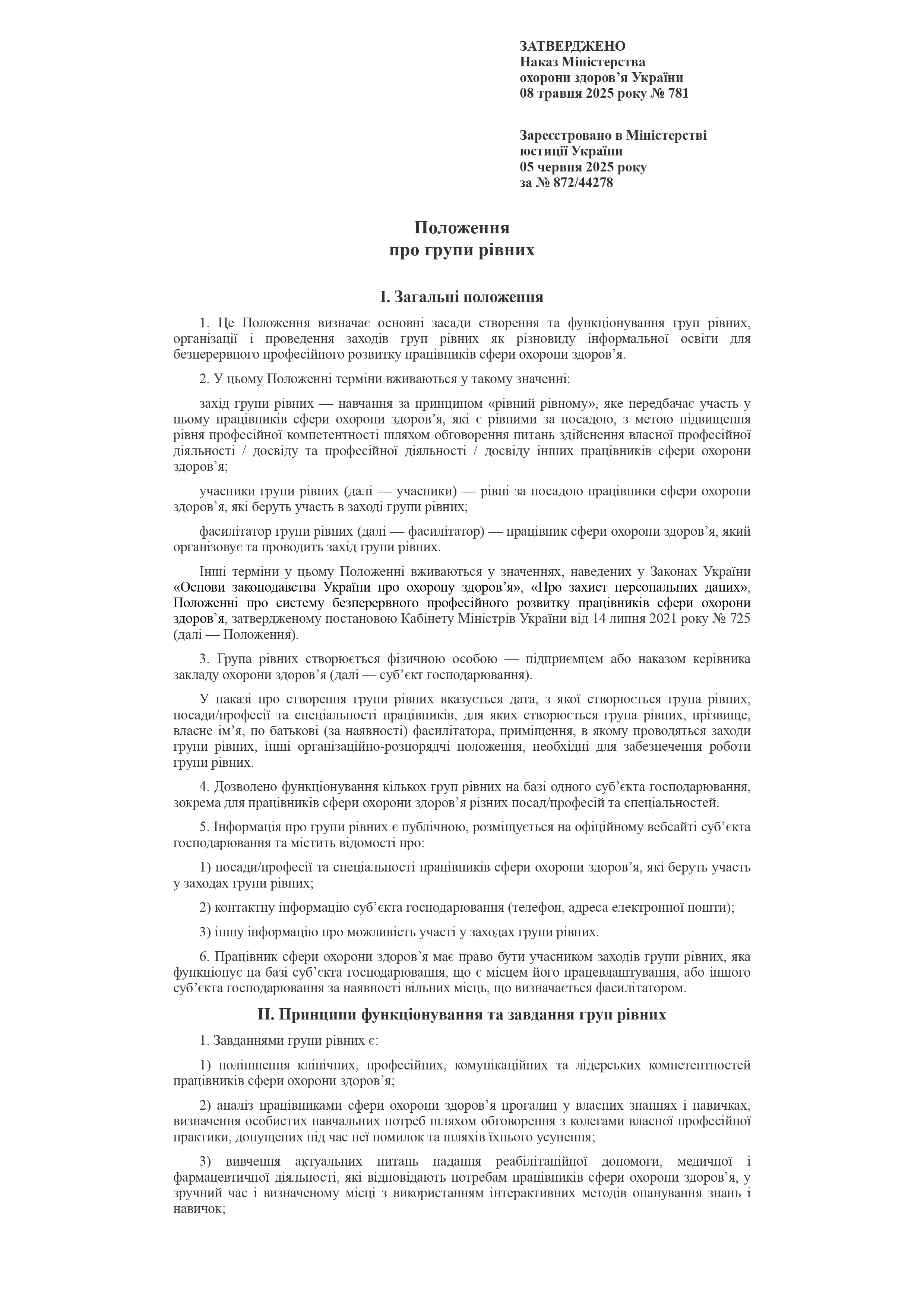
FIGURE 2. “Regulations on Peer Groups” (A-E) was approved by the Order of the Ministry of Healthcare of Ukraine of May 08, 2025, No. 781 [5].
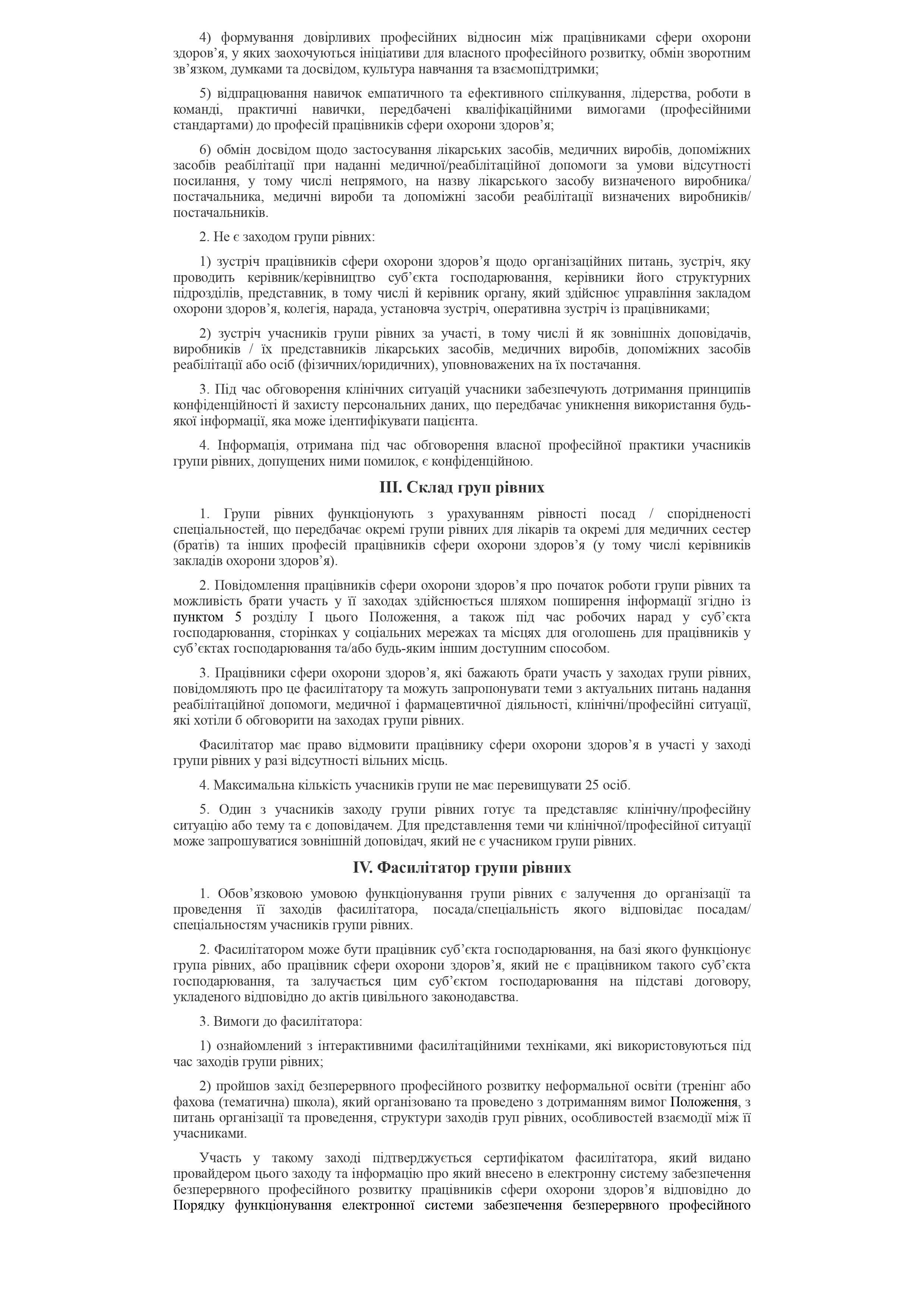
FIGURE 2 (continued). “Regulations on Peer Groups” (A-E) was approved by the Order of the Ministry of Healthcare of Ukraine of May 08, 2025, No. 781 [5].
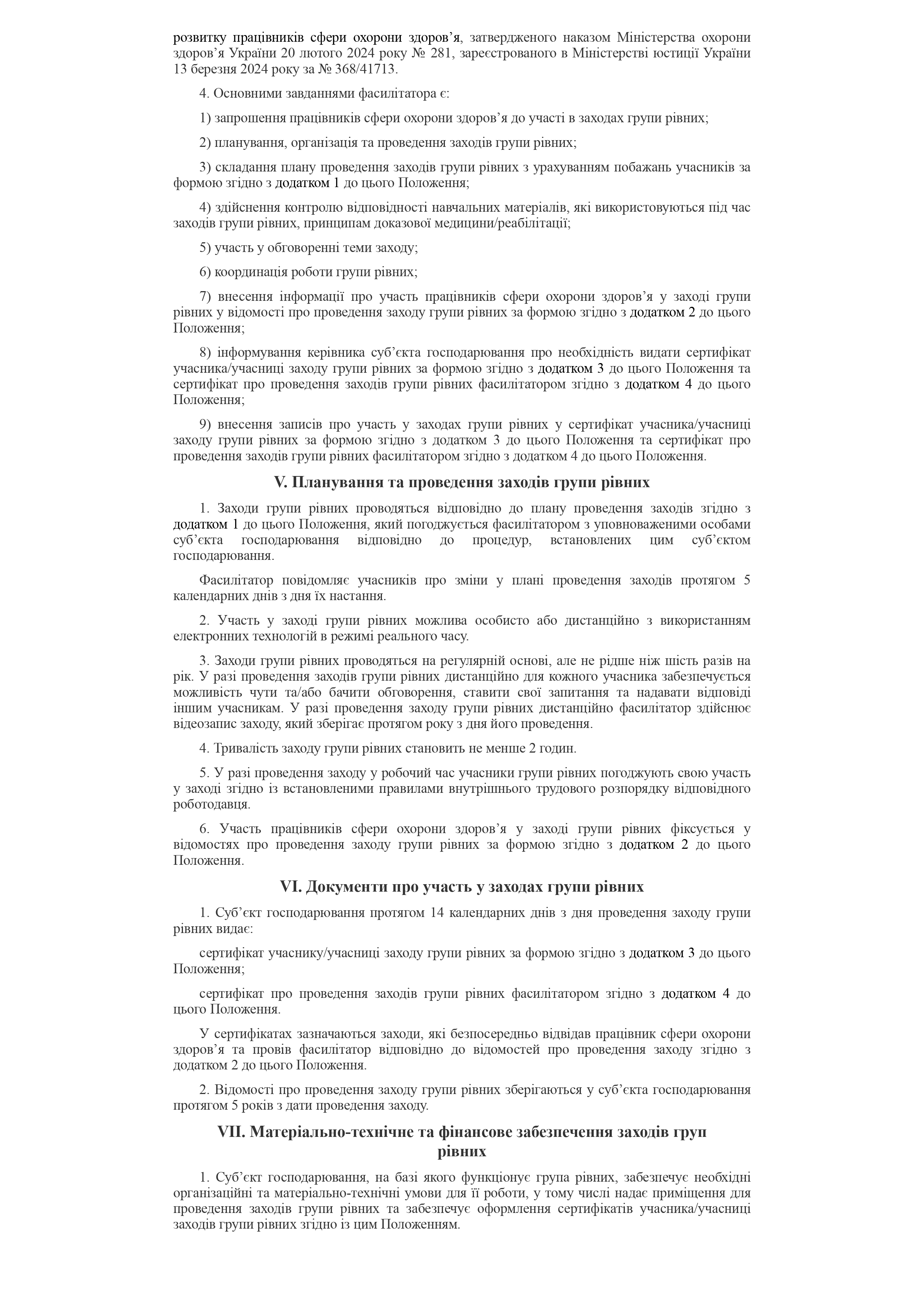
FIGURE 2 (continued). “Regulations on Peer Groups” (A-E) was approved by the Order of the Ministry of Healthcare of Ukraine of May 08, 2025, No. 781 [5].


FIGURE 2 (continued). “Regulations on Peer Groups” (A-E) was approved by the Order of the Ministry of Healthcare of Ukraine of May 08, 2025, No. 781 [5].
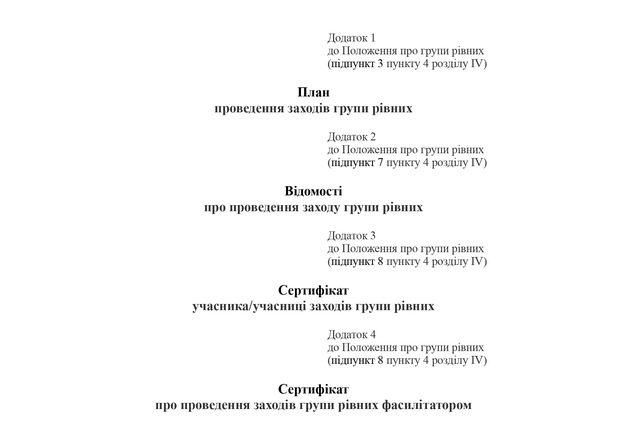
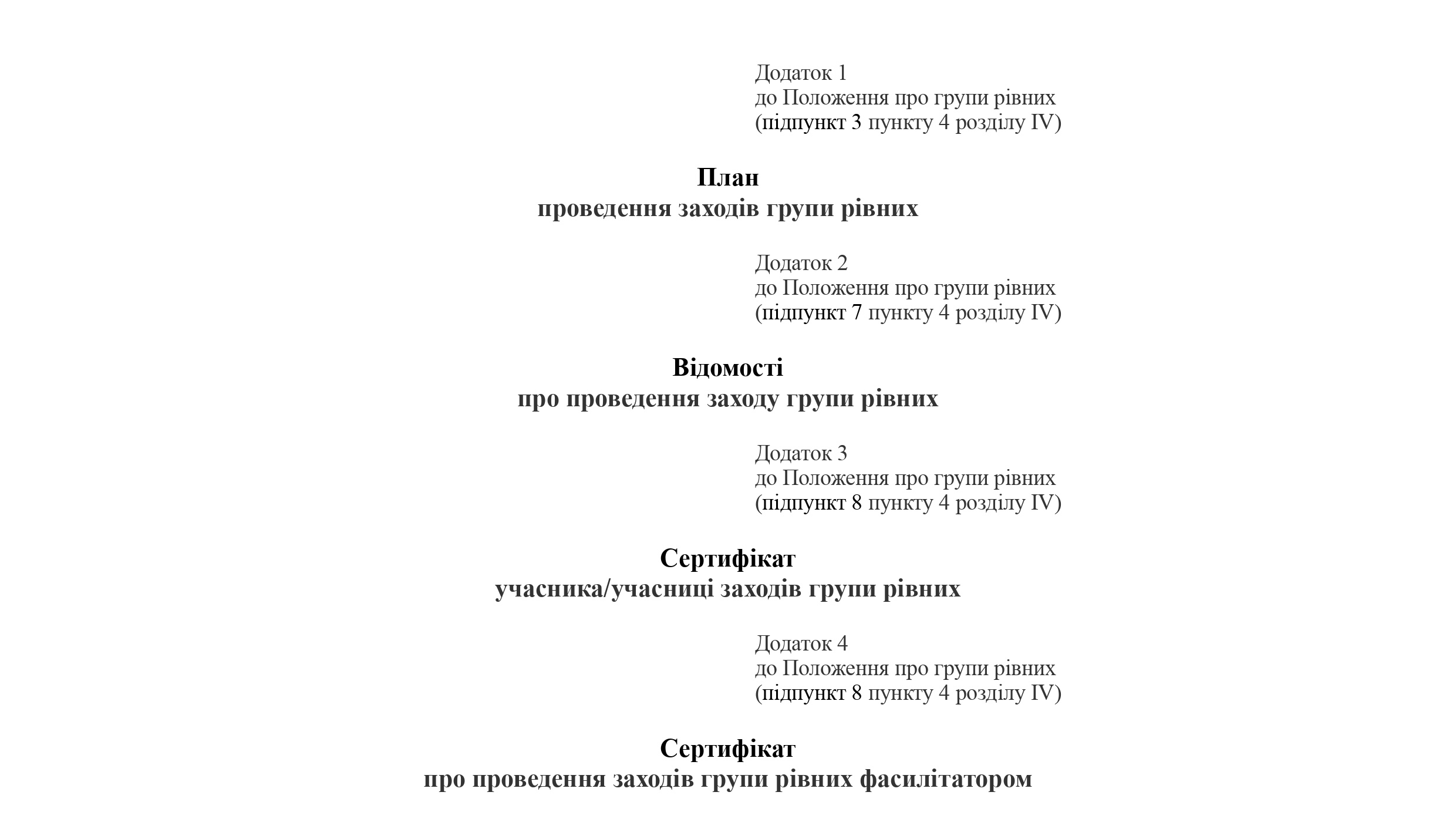
FIGURE 2 (continued). “Regulations on Peer Groups” (A-E) was approved by the Order of the Ministry of Healthcare of Ukraine of May 08, 2025, No. 781 [5].
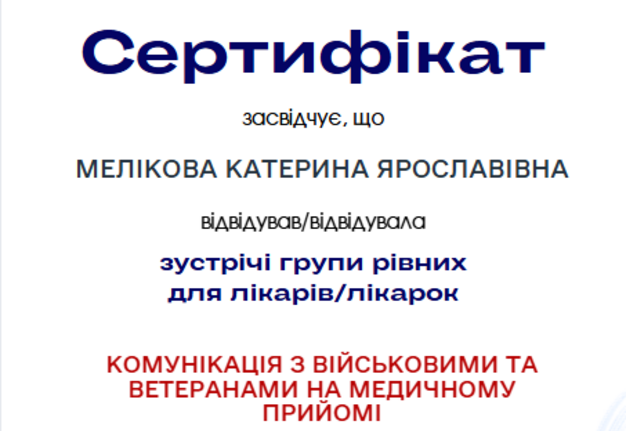
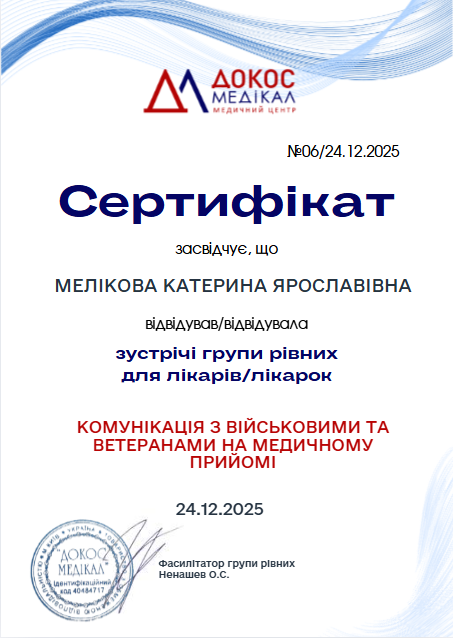
FIGURE 3. This Certificate No.6/24.12.2025 certifies that Kateryna Melikova attended peer group meetings for doctors on the topic “Communication with military personnel and veterans at medical reception.” The certificate bears the signature of the peer group facilitator, namely Nenashev O. S., the seal of the Dokos Medical, LLC (the Unified State Register of Enterprises and Organizations of Ukraine [USREOU] code: 40484717), and the date, namely December 24, 2025. In Ukrainian. This certificate is the basis for awarding the participant two CPD points.
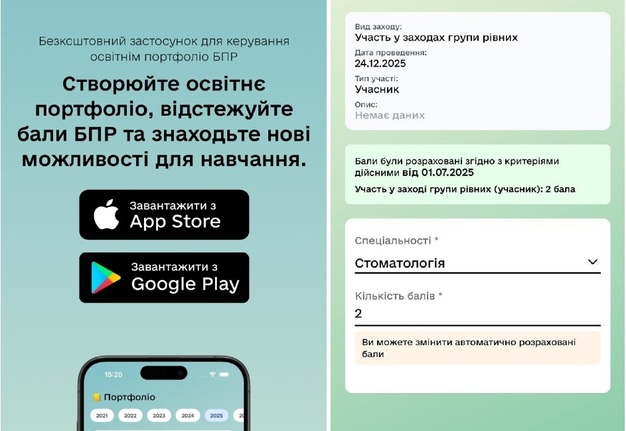
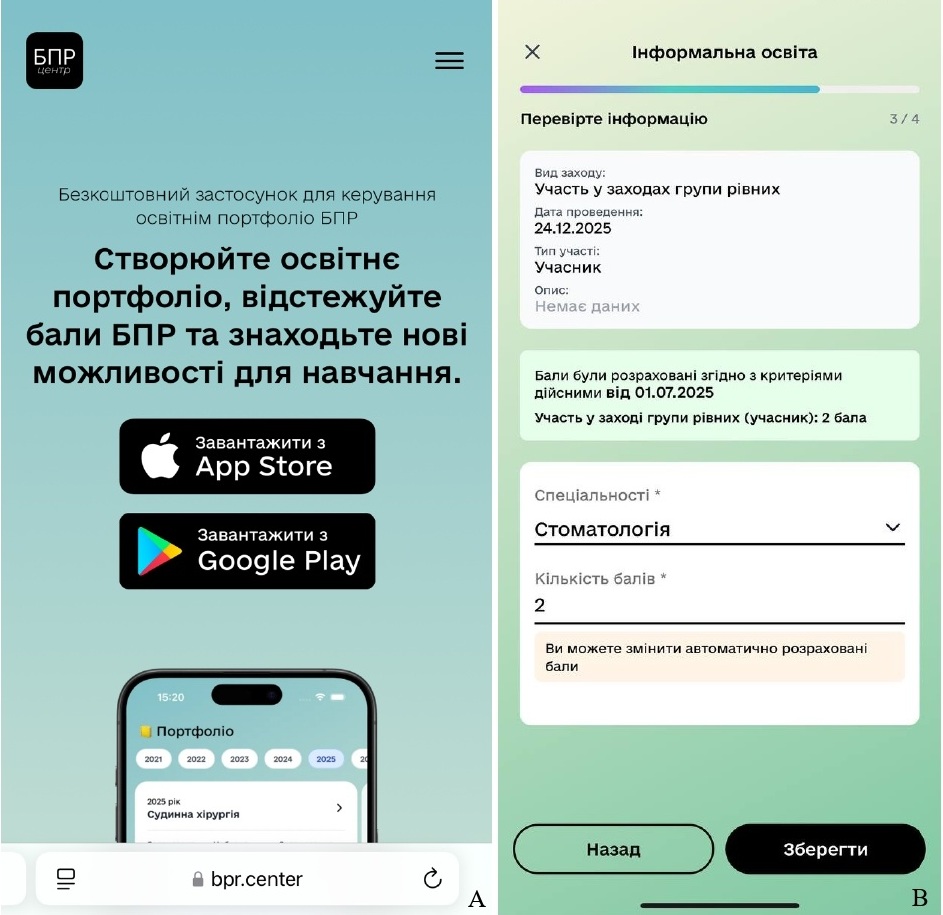
FIGURE 4. The free application called “BPR.Tsentr” (transliteration from Ukrainian) (A) for managing the continuing professional development (CPD) educational portfolio can be downloaded via the link from the https://bpr.center website [10]. Entering data on participation in peer group activities into your own portfolio, which are worth two points each (B). In Ukrainian.
REFERENCES (11)
- Verkhovna Rada of Ukraine: legislation of Ukraine. Order of the Ministry of Healthcare of Ukraine of February 22, 2019, No. 446 “Some issues of continuing professional development (CPD) of doctors” (as amended by Order of the Ministry of Healthcare of Ukraine of August 18, 2021, No. 1753) [internet]. 2025 Jan 02 [cited 2026 Jan 02]. Ukrainian. Available from: https://zakon.rada.gov.ua/laws/show/z0293-19#Text
- Fesenko II, Marchenko N, Irkha S. Continuing professional development (CPD) for Ukrainian stomatologists (dentists) and maxillofacial surgeons: Criteria for awarding CPD points as of 2024. J Diagn Treat Oral Maxillofac Pathol. 2024;8(5):53-64. https://doi.org/10.23999/j.dtomp.2024.5.2
- Nagorniak IV. Private practice, implantology, and continuing professional development. J Diagn Treat Oral Maxillofac Pathol 2021;5(1):10-12. https://doi.org/10.23999/j.dtomp.2021.1.3
- Verkhovna Rada of Ukraine: legislation of Ukraine. Order of the Ministry of Healthcare of Ukraine of April 16, 2025, No. 650 “On approval of the Procedure for conducting certification of healthcare workers and amending certain orders of the Ministry of Healthcare of Ukraine” [internet]. 2025 Apr 16 [cited 2026 Jan 02]. Ukrainian. Available from: https://zakon.rada.gov.ua/laws/show/z0824-25#Text
- Verkhovna Rada of Ukraine: legislation of Ukraine. Order of the Ministry of Healthcare of Ukraine of May 08, 2025, No. 781 “On approval of the Regulations on peer groups” [internet]. 2025 May 08 [cited 2026 Jan 02]. Ukrainian. Available from: https://zakon.rada.gov.ua/laws/show/z0872-25#Text
- Tymofieiev OO, Fesenko II, Serha OO, Melikova K. Continuing professional development in Ukraine: 2025 update. J Diagn Treat Oral Maxillofac Pathol. 2025;9(12):100313. https://doi.org/10.23999/j.dtomp.2025.12.100313
- Beyer M, Gerlach FM, Flies U, et al. The development of quality circles/peer review groups as a method of quality improvement in Europe. Results of a survey in 26 European countries. Fam Pract. 2003;20(4):443-451. https://doi.org/10.1093/fampra/cmg420
- Chernysh T, Korolenko O. Peer groups for medical professionals in Ukraine: Experience in implementing an innovative format of continuing professional development. NaUKMA Research Papers. Sociology. 2023;6:72-84. https://doi.org/10.18523/2617-9067.2023.6.72-84
- François P, Philibert AC, Esturillo G, Sellier E. Peer groups: A model for the continuous professional development in general practice. Presse Med. 2013;42(1):e21-e27. French. https://doi.org/10.1016/j.lpm.2012.04.017
- BPR center [internet]. 2026 Jan 04 [cited 2026 Jan 04]. Ukrainian. Available from: https://bpr.center
- Dokos Medical: Peer groups [internet]. 2026 Jan 03 [cited 2026 Jan 03]. Ukrainian. Available from: https://docos.one/hrupy-rivnykh/