

Fatigue, Hypertension, Dizziness, Anxiety, Depression, Musculoskeletal and Sleep Disorders, and Cardiac Arrhythmia: A Patient with Post-COVID-19 Condition in Dental Practice: 1-Year Follow-Up
Manuscript received 18 October 2026
Revised 27 October 2026
Accepted 29 October 2026
Available online 31 October 2026
J Diagn Treat Oral Maxillofac Pathol 2026;10: 100327
DOI: https://doi.org/10.23999/j.dtomp.2026.10.100327
Under a Creative Commons license
HOW TO CITE THIS ARTICLE
Antoniuk I, Reshetnyk O Fesenko II, Tuz O. Fatigue, hypertension, dizziness, anxiety, depression, musculoskeletal and sleep disorders, and cardiac arrhythmia: A patient with post-COVID-19 condition in dental practice: 1-year follow-up. J Diagn Treat Oral Maxillofac Pathol. 2026;10(10):100327.

KEY WORDS
Post-COVID-19 condition; Long COVID; Post-COVID-19 fatigue; Dentistry; Atrial fibrillation; Anticoagulant therapy
ABSTRACT
This letter describes a 1-year follow-up of a 67-year-old female patient with a broad spectrum of post-COVID-19 manifestations, including cardiac arrhythmia and anxiety, which severely delayed her dental treatment. It outlines critical clinical considerations for dentists and oral-maxillofacial surgeons, emphasizing the management of anticoagulant therapy, hypertensive thresholds, and psychological barriers to ensure safe dental care.
To the Editor in Chief,
The sequela of coronavirus disease 2019 (COVID-19), a contagious pandemic disease caused by severe acute respiratory syndrome coronavirus 2 (SARS-CoV-2) [1], include a broad spectrum of symptoms that fall under the umbrella term post-COVID-19 condition (also known as chronic COVID syndrome, long COVID-19, post-COVID-19 syndrome, long-haul COVID, post-acute sequelae of COVID‑19, post-acute COVID‑19 syndrome, and long COVID-19 syndrome) [2, 3].
Global literature has documented how COVID-19 affected surgical practice in oral and maxillofacial surgery [4], as well as oral and maxillofacial manifestations upon both COVID-19 [5] and post-COVID syndrome [6, 7]. At the same time, the general manifestations of post-COVID syndrome—a condition characterized by a prolonged course and numerous symptoms that can baffle even experienced physicians—are not addressed in the practice of oral and maxillofacial surgeons.
The purpose of this letter is to describe a patient with long COVID-19 who presents with a wide range of complaints that could critically impact the management of this condition and the provision of dental and surgical care.
In mid-September 2025, a 67-year-old Caucasian female patient weighing 58 kg with a height of 168 cm (body mass index = 20.5 kg/m2, i.e., normal) (Fig 1) began complaining to relatives of fatigue of unknown origin that had started in late August 2025. She stopped taking her prescribed medication, Lixarit (Laboratorios Normon, S.A.; Spain) 50 mg 2 times daily, for several days, attributing the fatigue to a side effect of the drug. On September 25, at approximately 05:30 pm, the patient experienced an episode of a sharp rise in blood pressure of 182/88 mm Hg and a heart rate of 60 bpm. The next day, the patient underwent an examination by a cardiologist. The following were prescribed: Enap - H (KRKA, d.d.; Slovenia) 5 mg in the morning, Enap KRKA, d.d.; Slovenia) 5 mg in the evening, Mildronat (JSC Grindeks; Latvia) 250 mg twice daily (for one month), and Glycised (Arterium; Ukraine) 2 tablets three times daily (for one month). The patient noted difficulty in handling video calls and performing mental tasks.
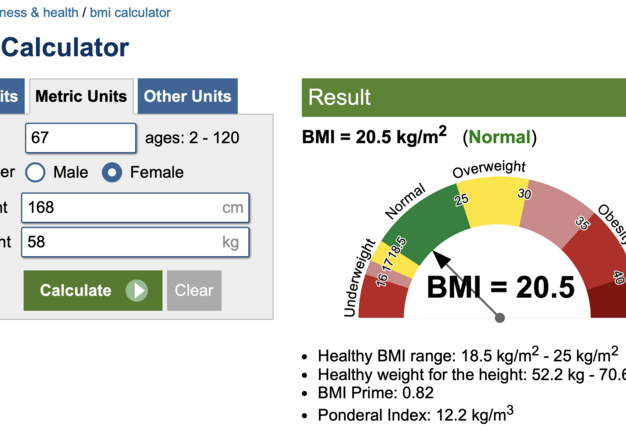
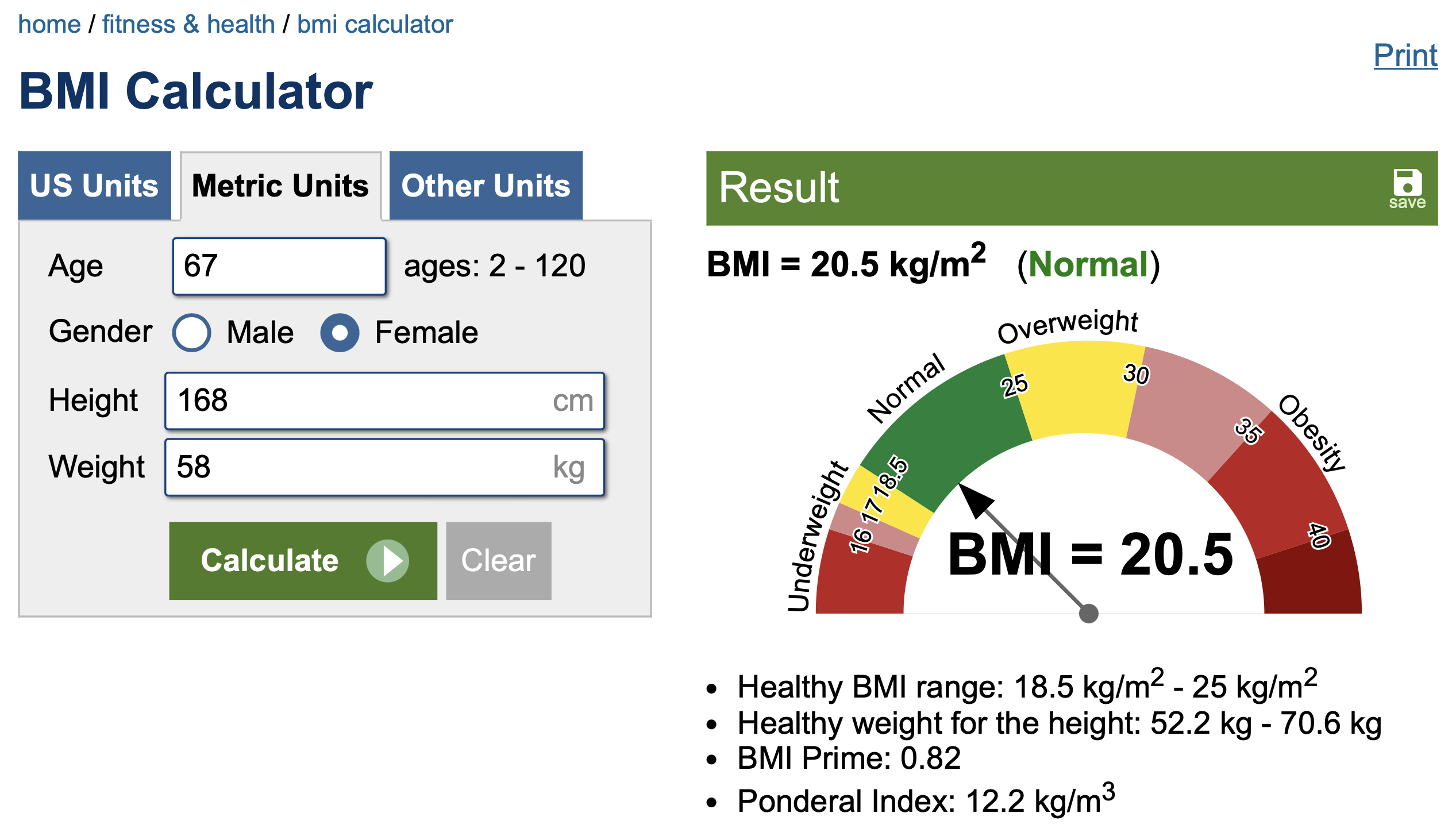
FIGURE 1. The body mass index (BMI) of the 67-year-old long COVID patient, calculated on the website https://www.calculator.net/bmi-calculator.html [8].
On September 27, 2025, the patient's glycated hemoglobin (HbA1c) level was 5.6%, which is within the normal range.
On October 19, 2025, a biochemical profile and automated complete blood count (CBC) with differential revealed several elevated parameters: red blood cell (RBC) count was 4.99 × 10¹²/L (reference range: 3.7-4.7 × 10¹²/L), hemoglobin was 148 g/L (reference range: 120-140 g/L), alanine aminotransferase (ALT) was 89 U/L (reference range: <33 U/L), and aspartate aminotransferase (AST) was 52 U/L (reference range: <32 U/L).
The patient complains of periodic sensations of dizziness. The patient herself describes these sensations, noting that, spontaneously while in an upright position, she would feel as though she were on the verge of losing consciousness. On the morning of October 22, 2026, significant weight loss was observed in the patient, along with a gait that could be described as a "zombie gait." The patient has been experiencing soreness in the muscles of the lower legs since September, and in the thigh muscles since October. A brain magnetic resonance imaging (MRI) was performed on October 22, 2025, which showed no abnormalities. The procedure was accompanied by significant fatigue, a panic attack, and marked body tremors, and was conducted with an anesthesiologist present. After the MRI, the panic attack resolved abruptly, the tremors ceased, and the patient noted a normalization of her gait.
Following a consultation with a neurologist on October 22, 2025, the following medications were prescribed: Magne-B6 (2 tablets twice daily), Arlevert (1 tablet three times daily), and Bifren 250 mg (1 tablet every other day for 14 days).
On October 28, following a neurologist's recommendation, a course of consuming ReO Lightly Carbonated Mineral Water 0.95l (designed to maintain and restore the body's water-salt and electrolyte balance) (Yuria-pharm; Ukraine) was started (1 bottle a day). After starting ReO, the patient’s appetite returned for the first time in weeks, and she experienced a significant improvement in her well-being. A diagnosis of post-COVID-19 syndrome was established on October 29, based on the totality of examination data and the course of the disease, and treatment with magnesium citrate capsules was added to the list of the prescriptions.
Summarizing all symptoms and complaints, the following can be identified for the period from August to November 2025: chronic fatigue, dizziness, anxiety, depression, insomnia, and night sweats—specifically, repeated episodes of very heavy sweating during sleep—as well as post-traumatic stress disorder, anxiety, and depression. The patient developed atrial fibrillation (AF) starting in late October. Which manifested as rapid heartbeat at night. Overall, starting in November, the patient began to feel better with each passing day; only atrial fibrillation and night sweats continued to bother her.
On December 30, 2025, a Holter monitor was applied for 24 hours. In total, from September to the end of December 2025, consultations were held with three neurologists, two cardiologists, an ultrasound specialist with ultrasonography, an anesthesiologist, a radiologist, and an oral surgeon.
It is worth noting that the onset of symptoms was not preceded by manifestations of an acute COVID-19 infection. At the same time, the initial symptoms appeared in August in Yahotyn, Kyiv Region, where, during the summer of that year, a family doctor—an acquaintance—observed a significant number of COVID-19 patients seeking care at the local hospital.
From January to July 2026, the patient noted a gradual reduction in symptoms and an improvement in her overall well-being. The only remaining issues were sleep disturbances (the patient described it as feeling as though she were asleep, yet unable to fall asleep) and muscle soreness in her legs.
From July 28 to August 7, 2026, following exposure to cold at a summer cottage, the patient was hospitalized at Yahotyn Central City Hospital for the management of septicemia caused by Gram-negative microorganisms secondary to a urinary tract infection. The clinical course was complicated by a paroxysmal episode of AF, with successful pharmacological cardioversion (medication-based rhythm restoration) achieved on August 1, 2026. The patient's relevant medical history included ischemic heart disease presenting as exertional angina, Stage 2 arterial hypertension (Stage II, Risk 3), and Stage 1 heart failure. Treatment in the intensive care unit included, among other medications, the administration of Meropenem (Anfarm Hellas S.A.; Greece). An interesting fact: following treatment in the intensive care unit and the subsequent general ward, the patient’s bad breath—which had persisted for years—disappeared; this may be linked to the systemic effect of the antibiotic.
On October 15, 2026, following Holter monitoring, a cardiologist prescribed Propanorm (PRO.MED.CS Prahа a.s.; Czech Republic) 150 mg (three times daily), Xarelto (Bayer AG; Germany) 15 mg (one time daily), and Rhytmokor capsules (Farkos; Ukraine) (twice daily for 2 weeks). Rhytmokor was discontinued on the 4th day due to the side effect of dizziness.
When assessing the patient's condition exactly one year after the onset of long COVID-19 symptoms, it is worth noting their almost complete resolution, which aligns with recovery timelines reported in the literature [9-11]. Her persistent leg muscle soreness has now become intermittent and is characterized as a mild, workout-like stiffness rated at 2-3 out of 10 on the Visual Analog Scale (VAS), representing a substantial improvement compared to the constant, debilitating soreness experienced in October 2025.
The only remaining symptoms are muscle soreness in the legs and a burning sensation in the knee joints. For nearly 9-11 months, the patient categorically refused the necessary dental treatment due to anxiety and depression, and only after more than 13 months did, she consent to the commencement of the required dental care (Fig 2). A comparison of the two radiographs clearly indicates the progression of the caries in teeth that required treatment as early as 2025. The patient last visited the dentist in May 2017—that is, more than 9 years ago. The visit to the dentist was postponed due to the coronavirus pandemic and the full-scale invasion that began on February 24, 2022. Dental treatment began on October 10 with professional oral hygiene and periodontal treatment under local anesthesia.
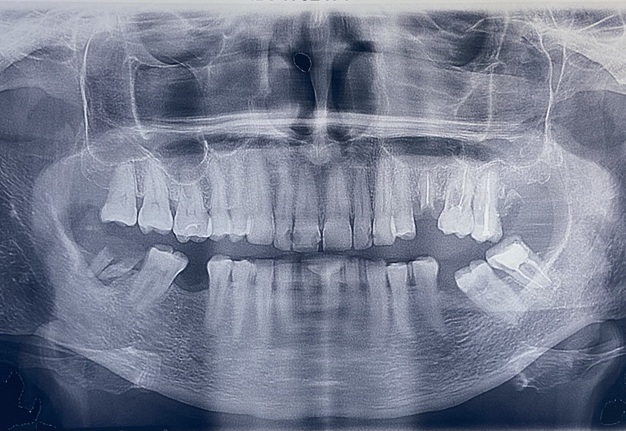
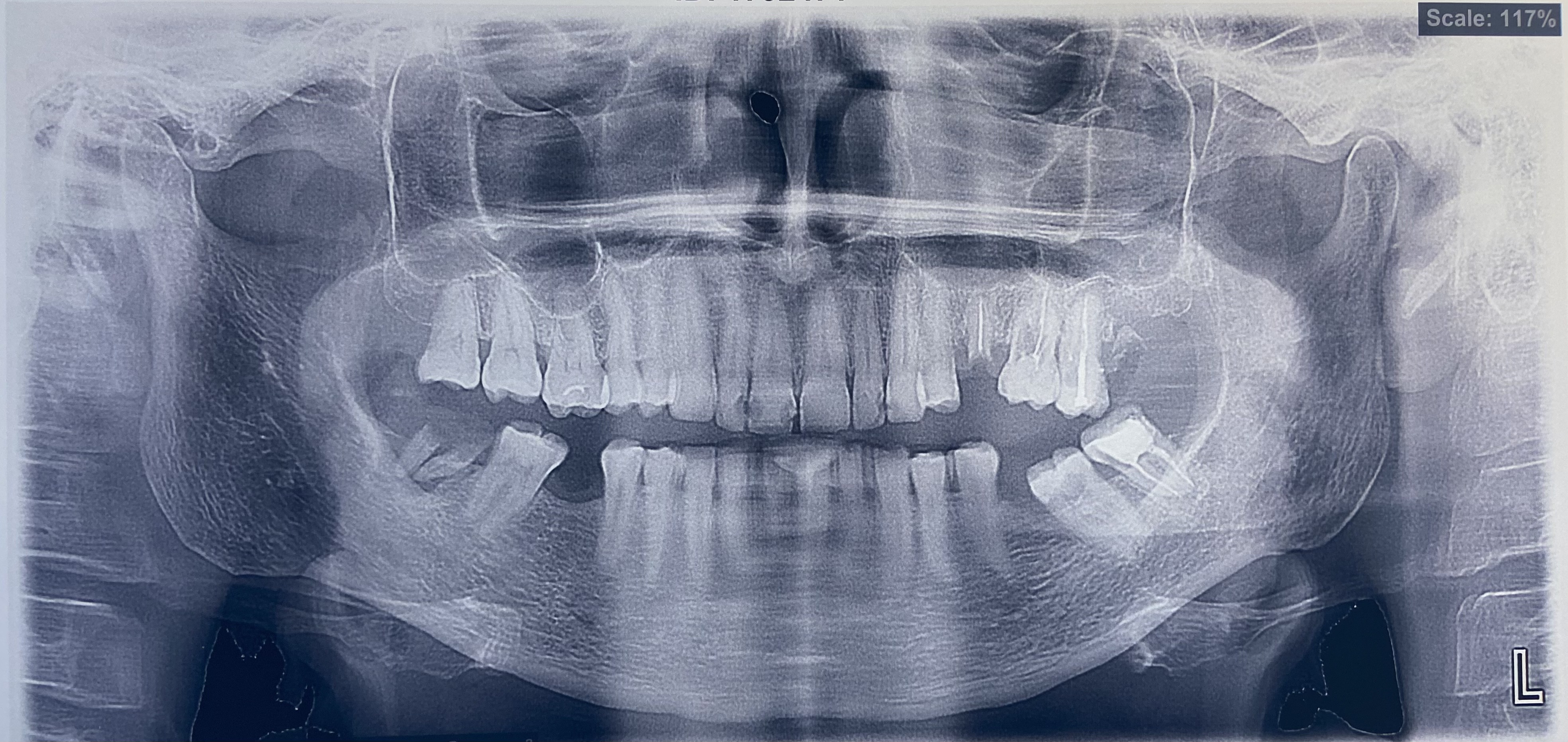
FIGURE 2A. Panoramic radiographs of a 68-year-old female patient. In the midst of long Covid symptoms (October 15, 2025).
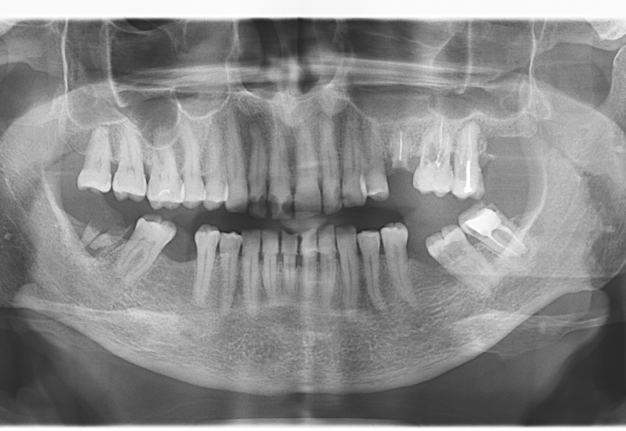
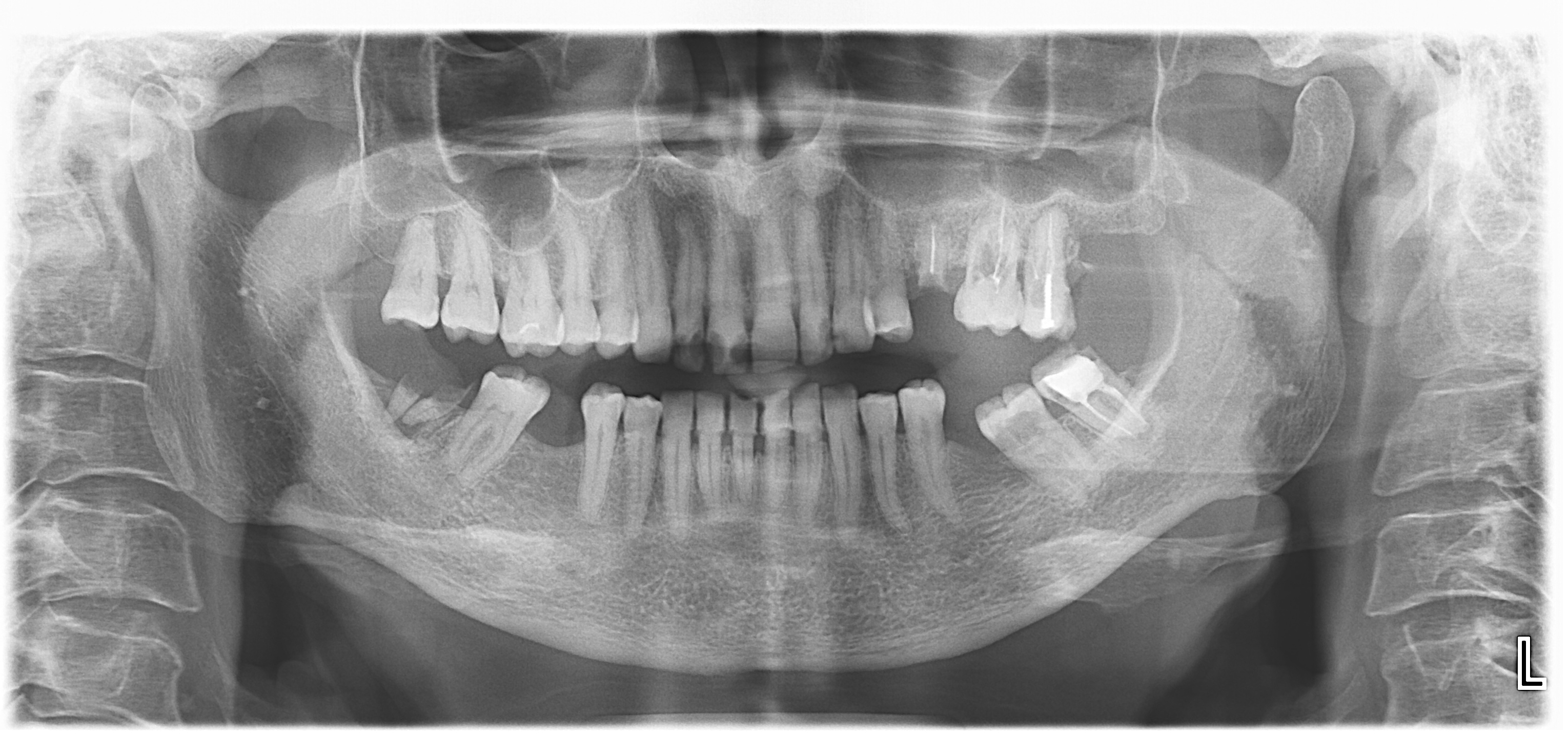
FIGURE 2B. Panoramic radiographs of a 68-year-old female patient. 1-year and 1-month follow-up from the moment of onset of long Covid manifestations (September 22, 2026).
The case of our 67-year-old female patient clearly confirms that patients over 40 years of age recovered more slowly (Jo et al, 2026) [11]. Approximately 15 in 100 people still have symptoms at 12 months as per global estimates from 2022 [10].
Studies suggest that long COVID persists for 24 months after hospitalization due to COVID-19 (Huang et al, 2022; Fernández-de-las-Peñas et al, 2022) [12, 13]. Specifically, the study by the Global Burden of Disease Long COVID Collaborators (2022) [10] estimated that the average duration of long COVID-19 symptoms was 9.0 months for individuals who were hospitalized, and 4.0 months for those who were not. However, a significant cohort (approximately 15.1%) experiences symptoms persisting well past the 12-month mark, as demonstrated in this case.
Terminology has been standardized by the international community: “long COVID” is defined as signs and symptoms that develop during or following an infection consistent with COVID-19 and persist for more than 4 weeks [14]. The National Institute for Health and Care Excellence (NICE) recommends using the term “post-COVID syndrome” from 12 weeks after infection, provided that the symptoms cannot be explained by an alternative diagnosis [14].
In sum, cardiovascular, gastrointestinal, neurological, and musculoskeletal systems are involved upon long COVID by direct or indirect mechanisms with various manifestations [15-18]. During the last years, musculoskeletal involvement increased, but no clear consensus was obtained about the pathogenesis [15]. The risk of developing cardiac arrhythmias is increased after COVID‐19 infection in the long term [19-21]. This fact explains the development of AF in our patient.
Boskabadi et al. (2026) emphasize that the cardiovascular system is one of the most important systems involved in long COVID, and even asymptomatic patients have evidence of cardiovascular injury after COVID‐19 [19]. Also, it has been noted that varying degrees of anxiety and depression are more frequently observed in patients with AF compared to the general population [22].
For dentists, oral and maxillofacial surgeons, this case underscores the importance of understanding the possible diverse symptoms of long COVID-19 and adopting a multidisciplinary approach for general and dental treatment of such “long haulers” patients [14, 23].
Critical considerations for dentists and oral-maxillofacial surgeons:
For a dentist reviewing this 1-year follow-up, several clinical factors are paramount to safely managing this patient's upcoming surgical or dental care:
-
Anticoagulant therapy and bleeding risks: The patient is actively taking Xarelto (Rivaroxaban) 15 mg daily for AF. For any invasive dental or oral surgery procedure, local hemostatic measures must be planned, and coordination with her cardiologist is necessary to determine if a temporary suspension of the direct oral anticoagulant is required.
-
Hypertensive and arrhythmia thresholds: With a history of paroxysmal AF and a previous hypertensive crisis (182/88 mm Hg), managing perioperative anxiety is critical. Stress can trigger hypertensive episodes or recurrent arrhythmias. The use of local anesthetics with vasoconstrictors (like epinephrine) must be carefully dosed or restricted.
-
Psychological barriers to care: The patient completely avoided dental care for 9 to 11 months due to long-COVID-related anxiety and depression. Building trust, using short appointments, and considering mild sedation or profound local anesthesia are necessary to prevent dental phobias or panic attacks similar to the one experienced during her MRI.
-
Musculoskeletal discomfort: Persistent leg soreness and burning sensations in the knee joints mean that long periods in the dental chair may be physically uncomfortable. Adjusting the chair positioning and scheduling shorter sessions will improve patient compliance.
AI Statement: The authors declare that generative artificial intelligence (AI) (Google Gemini) was used to help synthesize and organize the clinical considerations and management strategies for the oral surgeon section. Additionally, the tool was utilized to generate the initial draft of the abstract and keywords, as well as to update, refine, and correctly integrate the specific statistical data and text regarding the Global Burden of Disease Long COVID collaborative study duration outcomes. The authors independently reviewed, verified, and synthesized all AI-generated suggestions and literature descriptions to ensure clinical safety, factual correctness, and bibliographic accuracy, and take full responsibility for the manuscript's conclusions.
Declaration of Interests: The authors have no conflicts of interest to declare.
Informed Consent: Written consent was obtained from patient for publication of radiography.
Fundings: No funding was received for this study.
Peer-Review: Externally peer-reviewed.
References (23)
-
Kaye AD, Cornett EM, Brondeel KC, et al. Biology of COVID-19 and related viruses: Epidemiology, signs, symptoms, diagnosis, and treatment. Best Pract Res Clin Anaesthesiol. 2021;35(3):269-292. https://doi.org/10.1016/j.bpa.2020.12.003
-
Soriano JB, Murthy S, Marshall JC, et al. WHO linical Case Definition Working Group on Post-COVID-19 Condition. A clinical case definition of post-COVID-19 condition by a Delphi consensus. Lancet Infect Dis. 2022;22(4):e102-e107. https://doi.org/10.1016/s1473-3099(21)00703-9
-
Pinzon RT, Wijaya VO, Jody AA, et al. Persistent neurological manifestations in long COVID-19 syndrome: A systematic review and meta-analysis. J Infect Public Health. 2022;15(8):856-869. https://doi.org/10.1016/j.jiph.2022.06.013
-
Ahmed A, Evans K, Rajapakse S. How has COVID-19 affected surgical practice in Oral and Maxillofacial Surgery in the East Midlands, UK?. Surgeon. 2021;19(5):e276-e280. https://doi.org/10.1016/j.surge.2020.12.010
-
Palwankar P, Palaniappan J, Kuttappan K, et al. Oral and maxillofacial manifestations of COVID-19. GMS Hyg Infect Control. 2026;21:Doc05. https://doi.org/10.3205/dgkh000614
-
Huynh DV, Nguyen DK, Nguyen TV, et al. Maxillary osteonecrosis related to post-COVID-19: A report of case series and 6-month follow-up. J Oral Maxillofac Surg Med Pathol. 2024. https://doi.org/10.1016/j.ajoms.2024.06.005
-
Avais LS, Pacheco EC, Gomes LPOZ, et al. Oral manifestations in the post COVID-19 condition: A systematic review with meta-analysis. Rev Med Virol. 2025;35(4):e70057. https://doi.org/10.1002/rmv.70057
-
Calculator.net. BMI calculator. Accessed October 23, 2026. https://www.calculator.net/bmi-calculator.html
-
World Health Organization. Post COVID-19 condition (long COVID). World Health Organization. February 26, 2025. Accessed October 02, 2026. https://www.who.int/news-room/fact-sheets/detail/post-covid-19-condition-(long-covid)
-
Global Burden of Disease Long COVID Collaborators, Wulf Hanson S, Abbafati C, et al. Estimated global proportions of individuals with persistent fatigue, cognitive, and respiratory symptom clusters following symptomatic COVID-19 in 2020 and 2021. JAMA. 2022;328(16):1604-1615. https://doi.org/10.1001/jama.2022.18931
-
Jo Y, Hu Z, Joo H, Jung J, Lee J. Time to recovery from long COVID: a longitudinal analysis of symptom duration and risk factors using accelerated failure time models. Int J Infect Dis. 2026;171:108963. https://doi.org/10.1016/j.ijid.2026.108963
-
Huang L, Li X, Gu X, et al. Health outcomes in people 2 years after surviving hospitalisation with COVID-19: a longitudinal cohort study. Lancet Respir Med. 2022;10:863-876. https://doi.org/10.1016/s2213-2600(22)00126-6
-
Fernández-de-las-Peñas C, Rodríguez-Jiménez J, Cancela-Cilleruelo I, et al. Post–COVID-19 symptoms 2 years after SARS-CoV-2 infection among hospitalized vs nonhospitalized patients. JAMA Netw Open. (2022) 5:e22421. https://doi.org/10.1001/jamanetworkopen.2022.42106
-
Joli J, Buck P, Zipfel S, Stengel A. Post-COVID-19 fatigue: A systematic review. Front Psychiatry. 2022;13:947973. https://doi.org/10.3389/fpsyt.2022.947973
-
Evcik D. Musculoskeletal involvement: COVID-19 and post COVID 19. Turk J Phys Med Rehabil. 2023;69(1):1-7. https://doi.org/10.5606/tftrd.2023.12521
-
den Dunnen J, Bauwens A, Versfeld NJ, Goderie T. Post-COVID-19 dizziness associated with a patulous eustachian tube. BMJ Case Rep. 2025;18(6):e265008. https://doi.org/10.1136/bcr-2025-265008
-
Al-Jahdhami I, Al-Naamani K, Al-Mawali A. The post-acute COVID-19 syndrome (long COVID). Oman Med J. 2021;36(1):e220. https://doi.org/10.5001/omj.2021.91
-
Carrijo MM, Oliveira MC, Canedo WAO, et al. Post-traumatic stress disorder, anxiety, and depression in post-COVID-19 patients undergoing psychotherapy: a nonrandomized clinical trial. COVID. 2025;5(11):184. https://doi.org/10.3390/covid5110184
-
Boskabadi AR, Poorzand H, Vaezi A, et al. Increased arrhythmia risk in long COVID: A systematic review and meta-analysis. J Arrhythm. 2026;42(1):e70278. https://doi.org/10.1002/joa3.70278
-
Sychov OS, Stasyshena OV. Clinical course of atrial fibrillation in patients who experienced coronavirus disease (COVID-19): results of a 6-month follow-up. Med Perspekt. 2024;29(3):59-67. https://doi.org/10.26641/2307-0404.2024.3.313515
-
Zuin M, Ojeda-Fernández L, Torrigiani G, Bertini M. Risk of incident atrial fibrillation after COVID-19 infection: A systematic review and meta-analysis. Heart Rhythm. 2024;21(9):1613-1620. https://doi.org/10.1016/j.hrthm.2024.04.064
-
Dolzhenko MM, Lobach LY, Nesukai VA, et al. Anxiety and depression in patients with atrial fibrillation. Ukr J Cardiol. 2025;32(5):54-65. https://doi.org/10.31928/2664-4479-2025.5.5465
-
Yadav S, Bonnes SL, Gilman EA, et al. Inflammatory arthritis after COVID-19: A case series. Am J Case Rep. 2023;24:e939870. https://doi.org/10.12659/ajcr.939870